Posted on Leave a comment

Mycorrhizal Fungi Nitrogen Transfer Discovery

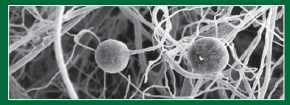
Another source of nitrogen uptake unique to mycorrhizal symbiosis has recently been discovered – it involves the direct transfer of nitrogen-laden amino acids from the fungus into the cereal plant roots. 1. Amino acids inside mycorrhizal hyphae 2. Amino acids have entered the root from mycorrhizal hyphae

Let’s begin with a topic that interests all farmers and one to which nearly all the other benefits of mycorrhizae are inherently linked: improving crop yields. Typically, mycorrhizae’s single most prominent contribution to a crop plant is improved access to and uptake of phosphorus (P).

All farmers are intensely familiar with the importance of this elemental nutrient to essential plant functions, which include energy transfer, photosynthesis, the transformation of carbohydrates, systemic nutrient mobilization, and genetic transfers. Given that often one of the most noticeable evidence of P deficiency in a crop is reduced yield (or in forage and pasture reduced quantity), it is no wonder that P is such a critical (and expensive) component in crop fertilizers.

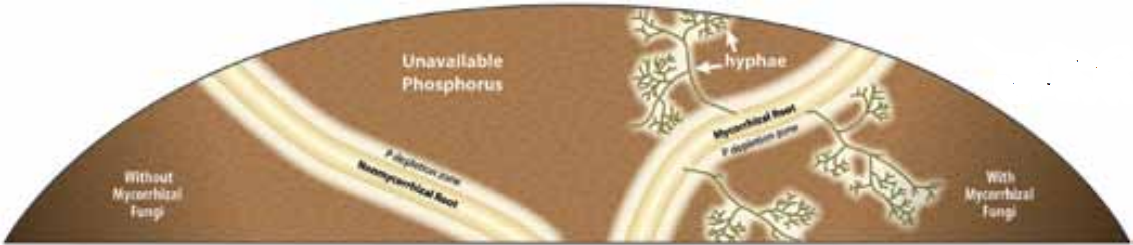
Much of the naturally-occurring P in soils is found bound tightly with elements such as iron or aluminum in the form of recalcitrant compounds. Similarly, P inputs derived from fertilizers often react with ambient soil cations to form insoluble salts. In natural ecosystems, plant communities rely on mycorrhizal fungi to access these forms of phosphorus.

Mycorrhizal hyphae produce enzymes, including phosphatase to convert phosphorus into soluble, plant-usable forms. This same process can be valuable in agriculture, maximizing the availability of natural soil P as well as dramatically enhancing the efficient uptake of P derived from fertilizers. With greater P uptake, costs go down and yields frequently increase as well.

The availability of nitrogen can also be a factor in limiting crop productivity for reasons opposite to those limiting P. Available nitrogen in the forms of nitrates (N03), nitrites (N02), and ammonium (NH4) are very soluble and can flow past the root zone before roots can absorb it. This means they are often lost to run-off or groundwater or trapped in subsoil beyond the access of roots.

The profoundly dense network of tiny hyphae filaments in a mycorrhizal system typically extends 45 to 60 centimeters beyond the roots themselves, increasing the absorptive surface area of colonized roots hundreds to thousands of times. A teaspoon of mycorrhizal soil can easily contain several kilometers of hyphae, all of which are highly absorptive of soluble nitrogen ions, ensuring optimum uptake and the associated nitrogen-related cropping benefits.

Another source of nitrogen uptake unique to mycorrhizal symbiosis has recently been discovered by scientists at the University of California, Irvine, US. The researchers set out to explore how nutrients, including nitrogen, are mobilized through the environment. Using cutting-edge technology, nanometre-sized bits of a semiconducting material called quantum dots were attached to organic compounds such as nitrogen-laden amino acids.

Nutrient transfer discovery

When energised by an ultraviolet laser, the tiny dots emitted light, becoming detectable by special cameras positioned in the root zone of plants. In this manner, the scientists could track nutrients as they were absorbed into the microscopic mycorrhizal hyphae and follow their subsequent movement into the tissue of the host plant.

For more than 100 years conventional scientific wisdom held that root absorption of nitrogen was restricted to inorganic forms of nitrogen such as N03, N02, and NH4. But to their surprise, the scientists saw the illuminated dots attached to amino acids enter the mycorrhizal hyphae and observed them as entire molecules moved into the root cell vacuoles and then continued systemically to the chloroplasts (in which nitrogen is used for photosynthesis).

MYCORRHIZAE

In non-mycorrhizal rhizospheres, amino acids, which are the primary components of proteins, must undergo extensive and time-consuming decomposition processes by bacteria and other soil organisms before nitrogen is released in inorganic, plant-usable forms. In many cases, much of the nitrogen is consumed by the organisms, further delaying its plant availability.

This research demonstrates that mycorrhizal fungi allow their plant hosts to bypass this process, implementing quick and effective access to organic nitrogen sources. What this means to the farmer is that utilizing mycorrhizal fungi, naturally occurring and introduced sources of organic nitrogen (such as found in fish-based fertilizers, green manures, and compost) can provide a readily available source of nitrogen to promote crop growth and enhance yields.

In addition to phosphorus and nitrogen, the mass of hyphal filaments in the soil surrounding mycorrhizae-colonized roots is also capable of mobilizing an array of other important plant nutrients, including calcium, iron, magnesium, and critical micro-nutrients such as manganese, zinc, and copper. Just as a lack of vitamins can impair human or animal health, crop yields and forage production are sometimes limited by insufficient supplies of these minor- and micro-nutrients, even when N-P-K is abundant.

Mycorrhizae’s ubiquitous presence throughout the surrounding soil can access these relatively scarce resources and, in many cases, can release them from insoluble compounds via the production of specialized enzymes. The management of micro-nutrients is becoming increasingly recognized as an important component of modern cropping science. Mycorrhizal fungi can serve as a useful tool to ensure that both natural and introduced sources of these nutrients are transferred efficiently from the soil to the plant.

When moisture becomes limiting in a dryland period the mycorrhizal plant utilizes the water stored in root cell vesicles.

Help find water

Mycorrhizae’s significant assistance with nutrient uptake is important, but it is not the only crop-enhancing benefit offered by these amazing fungi. Another valuable feature is water management. The expanded and enormous absorptive surface area connected to the roots is going to ensure that nearly all moisture in a plant’s surrounding soil is accessed. But what then? Once the soil is dry, how can the plant survive?

Mycorrhizae provide a mechanism inside the root cells that addresses this problem. When a root cell becomes colonized by a mycorrhizal fungus, a special shared organ called a vesicle grows inside the root cell. The vesicle is essentially a storage container for water and dissolved nutrients that can be utilized in times of deficiencies, such as drought periods.

When moisture and nutrients are abundant in the soil, surplus supplies are stored in the vesicle. When moisture and/or nutrient shortages occur, the plant begins to utilize the resources stored in the vesicles to avoid stress for extended periods – often weeks or even months longer than non-mycorrhizal plants.

When moisture or nutrients again become available, the plant is able to return to normal, healthy respiration and growth without shock or other negative symptoms. Of course, the reservoir provided by the vesicle cannot last indefinitely and the plant will suffer stress and ultimately death if sufficient moisture or nutrients remain unavailable for too long.

However, in most cases the extra non-stressed time provided via the vesicle allows the plant to survive until the next rainfall. This is great news for the dryland farmer. Australia’s recent excessive rainfall notwithstanding, drought is a serious risk encountered by all dryland farmers. Although not infallible, mycorrhiza inoculation offers inexpensive crop insurance as one of its many benefits.

Posted on Leave a comment

Our soils, our future

Introduction

There has been a notable ‘climate shift’ in many of the arable regions of eastern, southern and western Australia. A trend to less reliable autumn, winter and spring rainfall has increased production risks for annual cereal crops, while the greater incidence of episodic high intensity rainfall events in summer has heightened the vulnerability of bare fallows to erosion. Declining rainfall experienced over the last 7-10 years has severely impacted on the financial viability of cropping and grazing enterprises and disrupted the social fabric of rural communities.

These events have highlighted a fundamental lack of resilience in current agricultural production systems.

Historical losses of soil and soil carbon

In little over 200 years of European settlement, more than 70 percent of Australian agricultural land has become seriously degraded. Despite efforts to implement ‘ best practice’in soil conservation, the situation continues to deteriorate.

On average, 7 tonnes of topsoil is lost for every tonne of grain produced. This situation has worsened in recent years due to an increased incidence of erosion on unprotected topsoils, coupled with declining yields.

The most meaningful indicator for the health of the land, and the long-term wealth of a nation, is whether soil is being formed or lost. If soil is being lost, so too is the economic and ecological foundation on which production and conservation are based.

In addition to the loss of soil itself, there has been a reduction of between 50% and 80% in the organic carbon content of surface soils in Australia since European settlement (2, 3, 4, 11, 12).

Losses of carbon of this magnitude have immeasurable economic and environmental implications. Soil carbon is the prime determinant of agricultural productivity, landscape function and water quality.

Further, the carbon and water cycles are inextricably linked. Humus holds approximately four times its own weight in water (8). The most beneficial adaptation strategy for climate change would therefore be one that focuses on increasing the levels of both carbon and water in soils.

Discussions on adapting to climate change are irrelevant unless they focus on rebuilding healthy topsoil.

Building new topsoil

Healthy groundcover, active root growth and high levels of microbial association (7), are fundamental to the success of any endeavour to build new topsoil. These factors are absent from conventionally managed broadacre cropland.

Current ’best practice’, that is, chemically-based zero-till broadacre cropping (Fig.1) does not provide a suitable environment for high levels of biological nitrogen fixing, nutrient cycling, hydraulic redistribution, active sequestration of humified soil carbon, or soil building.


Fig.1. Current ‘best practice’. Chemically based zero-till farming lacks essential requirements for biological N-fixing, sequestration of humified soil carbon, and building of new topsoil.

Fortunately, the highly effective land management technique of ‘perennial cover cropping’ (Figs. 2, 3, and 4) has become more widely adopted in recent years. This practice involves the direct drilling of annual grain or fodder crops into ‘out-of-phase’ dormant perennial groundcover.

Fig.2. The ‘new face of agriculture. Annual grain crop direct-drilled without herbicide into dormant perennial groundcover enhances plant-microbial associations, vastly improves rates of biological N fixation, stimulates nutrient cycling, facilitates sequestration of highly stable, humified soil carbon, and promotes the formation of new topsoil.

The essential first step to rebuilding topsoil is to maximize photosynthetic capacity. A permanent cover of perennial plants provides an ongoing source of soluble carbon for the soil ecosystem, buffers soil temperatures, inhibits weeds, reduces erosion, improves porosity, enhances aggregate stability and water infiltration, slows evaporation, and ‘conditions’ the soil for the production of healthy, high quality, over-sown annual crops.

The soluble carbon exuded into the rhizosphere by perennial groundcover plants and/or transported deep into the soil by mycorrhizal fungi provides energy for the vast array of microbes and soil invertebrates that produce sticky substances enabling soil particles to be glued together into lumps (aggregates). When soil is well aggregated, the spaces (pores) between the aggregates allow the soil to breathe, as well as absorb moisture quickly when it rains. Healthy topsoil should be ‘more space than stuff’, that is, less than 50% solid materials and more than 50% spaces.

Friable, porous topsoils make it easier for plant roots to grow and for small soil invertebrates to move around. Well-structured soils retain the moisture necessary for microbial activity, nutrient cycling, and vigorous plant growth and are less prone to erosion. Soil structure is very fragile and soil aggregates are continually being broken down. An ongoing supply of energy in the form of carbon from the rhizosphere exudates of actively growing plants and, to a lesser extent, decomposing organic materials, enables soil organisms to flourish and produce adequate amounts of the sticky secretions required to maintain soil structure and function.

Healthy, chemical-free soils also create appropriate conditions for humification (conversion of soluble carbon to humus), a process that does not occur in most conventionally managed agricultural soils.

Fig. 3. Modern machinery is well suited to sowing annual grain crops into dormant perennial groundcover, a technique known as perennial cover cropping.

Cropping into dormant perennial groundcover is a one-pass operation that markedly reduces fuel costs and largely eliminates the need for fossil-fuel-based herbicides, fungicides, and pesticides. Perennial cover cropping has many similarities to annual cover cropping but brings with it the ecosystem benefits of perennial groundcover. The practice of perennial cover cropping was inspired by the highly innovative integrated cropping and grazing technique of ‘pasture cropping’ initiated by Darryl Cluff over a decade ago and further developed by Colin Seis (1, 5, 6).

The use of ‘biology friendly’ fertilizers, particularly those based on humic substances, in combination with Yearlong Green Farming (YGF) techniques such as perennial cover cropping, can have a protective effect on soil carbon, slowing or preventing its decomposition and further reducing the carbon footprint of agriculture.

There is no valid reason for the Australian agricultural sector to be a net emitter of CO2.

The world’s soils hold three times as much carbon as the atmosphere and over four times as much carbon as the vegetation. With 82% of terrestrial carbon in soil (compared to only 18% in vegetation), soil represents the largest carbon sink over which we have control. Soil is also the world’s largest store of terrestrial diversity, with over 95% of life forms being underground (that is, only 5% of biodiversity is above ground).

Sequestering humified carbon in soils represents a practical, permanent and productive solution to removing excess CO2 from the atmosphere. By adopting regenerative soil-building practices, it is practical, possible, and profitable for broadacre cropping and grazing enterprises to record net sequestration of carbon in the order of 25 tonnes of CO2 per tonne of product sold (after emissions accounted for).

Australia’s annual emissions of CO2 are predicted to reach 603 million tonnes in 2008.

There are therefore 603 million good reasons for agriculture to be a net sequester of CO2.

It would require only a 0.5% increase in soil carbon on 2% of agricultural land to sequester all Australia’s emissions of carbon dioxide (1). That is, the annual emissions from all industrial, urban, and transport sources could be sequestered in farmland soils if the incentive was provided to landholders for this to happen.

This would provide Australia with a 50-year window of opportunity to be carbon neutral while implementing viable technology to meet future energy needs.

Australian Soil Carbon Accreditation Scheme (ASCAS)

Dr. Christine Jones launched the Australian Soil Carbon Accreditation Scheme (ASCAS) in March 2007. ASCAS is a stand-alone incentive scheme with voluntary involvement, which encourages the adoption of innovative soil building practices (9). Widespread implementation of techniques developed by leading-edge landholders (as depicted in Figs. 2, 3, and 4) will transform the agricultural sector. Adoption of these processes needs to be fast-tracked.

ASCAS is the first incentive payments scheme for soil carbon in the Southern Hemisphere, placing Australia among world leaders in the recognition of soil as a verifiable carbon sink.

Incentive payments for annual measured increases in soil carbon above baseline levels have been sourced from a private donation by Rhonda Willson, Executive Chairman, John While Springs (S) Pte Ltd, Singapore. Receipt of Soil Carbon Incentive Payments (SCIPs) is similar to being paid ‘on delivery’ for livestock or grain, with the bonus being that sequestered carbon remains in the soil, conferring multiple landscape health and productivity advantages. Soil Carbon Incentive Payments are calculated at one-hundredth the 100-year rate ($25/tonne CO2-e).

A 0.5% increase in soil carbon across only 2% of agricultural land would sequester 685 million tonnes of CO2, well above the country’s annual emissions. (Assumptions: 0-30cm soil profile, bulk density 1.4 g/cm3, land area 2% of 445 million hectares).

Annual payments to landholders based on measured soil parameters provide an incentive for maximizing soil carbon sequestration and maintaining the permanency of sinks.

The amount of humified carbon in soil is directly related to nutrient bioavailability, soil structural stability, soil water-holding capacity, agricultural productivity, and landscape function. One of the aims of the ASCAS project is to collect data that will enable rigorous scientific evaluation of soil carbon, water, nutrients, and crop yield under regenerative regimes.

Adapting to climate change

There is an urgent need for Australian agricultural industries to adapt to climate change. To be effective, the strategies employed will require radical departures from ‘business as usual.

It is possible that global warming could accelerate even more rapidly than observed to date. Fundamental redesign of agricultural production systems will enable the sequestration of more carbon and nitrogen than is being emitted, as well as enhancing soil water retention, improving the resilience of the resource base, and restoring richness to farmed soils. These much-needed changes will assist the agricultural sector to deal confidently with a changing climate.

Rather than increase costs, mitigation of climate change via the adoption of regenerative soil building practices would bring net financial benefits to landholders and rural communities (the sectors hardest hit by climate change).

Fig 4. Emerging wheat crop one month after sowing into the dormant perennial pasture. Large volumes of soluble carbon are fixed in green leaves during photosynthesis, transferred to roots, and thence to soils via the hyphae of mycorrhizal fungi. After grain harvest, the warm-season native perennial pasture will activate and continue the sequestration process, building soil carbon over the summer period.

Yearlong Green Farming (YGF) techniques such as perennial cover cropping rapidly build humified soil carbon, improving the capacity of soil to hold water and increasing the resilience of farming systems to climatic extremes.

Farming in a perennial base

A change to farming in a perennial base has many advantages, including

  1. same or better yield than chemical fallow or cultivation-style farming

2. fewer inputs, resulting in higher gross margins per hectare

3. less reliance on fossil fuel-based fertilizers and farm chemicals

4. enhancement of natural soil building processes

5. ‘reverse’ carbon footprint – more carbon sequestered than emitted

6. ‘reverse’ nitrogen footprint – more nitrogen fixed than emitted

7. increased water use efficiency due to lower evaporative demand

8. improved soil water balance due to hydraulic lift and hydraulic redistribution

9. no bare soil for weeds to grow – paddocks virtually weed-free

10. reduced financial risk – no expenditure if a crop is not sown

11. an additional income stream from harvest and sale of perennial grass seed

12. more time for family – little or no requirement for cultivation or herbicide application

13. higher biodiversity of plants and animals (eg bettongs returning on some farms)

14. incentive for all members of the farm family, including children, to become involved

The new face of agriculture

Widespread adoption of productive and resilient agricultural practices that enhance net sinks for atmospheric carbon would have a revitalizing effect on the natural resource base and provide a financial benefit to the government, individuals, and rural and regional communities.

Furthermore, farming in a perennial base would enhance the resilience of the agricultural landscape to a wide range of climatic extremes, some of which may not even have been encountered to date.

The development of an appropriate incentives framework for regenerative agricultural activities would reverse the farm sector’s carbon and nitrogen footprints (more C and N sequestered than emitted) and improve food security in a warming, drying environment.

An overview of the Australian Soil Carbon Accreditation Scheme (ASCAS) has been provided as an example of an incentive-based (rather than regulatory) approach. The ASCAS project is an initiative designed to provide proof of concept that: –

  1. innovative soil management practices exist for sequestering soil carbon

2. improvements in soil carbon and soil health can be measured

3. landholders can be financially rewarded for building soil carbon

The ASCAS project supports soil restoration by providing financial incentives for landholders to move away from ‘business as usual’ (that is, carbon depleting activities) and by improving community knowledge on effective methods for building soil carbon.

Irrespective of climate change, it would be of enormous economic benefit to the agricultural sector to rebuild soils by implementing practices that increase levels of humified soil carbon and reduce reliance on fossil fuels.

In 1937, Franklin Roosevelt (10) stated “The nation that destroys its soil destroys itself”. The future of Australia depends on the future of our soil.

REFERENCES CITED

Posted on Leave a comment

Phosphate Price Hikes

Phosphate fertiliser prices are once again extreme. This effects super phosphate, single super, triple super, MAP, DAP, MKP, etc pricing and availability. Supply and demand determines prices but these increases are mainly on the supply side. The war in Ukraine has caused sanctions on Russia further limiting the number of suppliers in the world market. Morocco basically controls the world price as the world has under invested for decades in developing phosphate mines.

The ABC just did a video below but I have a few issues with the reporting.

1/ Australian soils have large reserves of phosphate but they are often in plant unavailable forms.

2/ Using tax player funding to build infrastructure isn’t moral or wise as the price will correct at some stage and we are a high cost producer.

3/ Rock phosphate may never become plant available. You need extensive microbial activity (labile carbon and moisture) and/or low soil pH to release the phosphate. Applying to dead soil is a total waste of resources/capital.

A more sustainable solution that requires no tax payer funding is mycorrhizal fungi as that can help unlock existing phosphate reserves. Even better than mycorrhizal fungi is implementing a cover crop strategy if possible.

Posted on Leave a comment

Hand In Hand With The Soil

Mycorrhizae are tiny, beneficial organisms that live in the soil and connect to plant roots, providing them with moisture and nutrients. The tiny fibers are called hyphae.

Living Soil is very important to plant care. It is no surprise then that nursery professionals continue to increase their understanding of it.

Living soil includes a myriad of soil-dwelling organisms, including bacteria, fungi, soil arthropods, and a wide variety of others. One of the most intensive studies groups in recent years also has the most potential for use by nursery professionals; mycorrhizal fungi.

My-Co-Rise-ee

There is a special relationship that exists between plant roots and certain types of fungi. Which are called mycorrhizae. The name is pronounced by my-co-rise-ee. Its literal meaning is “Fungus Roots”(“myco” meaning fungus “rhiza” meaning root).

These fungi are a major component of a multitude of hardworking armies of beneficial soil organisms largely invisible to us beneath the soil surface.

The mycorrhizal relationship is a symbiotic relationship. Both the plant and the fungus benefit. Nearly all horticulturally important plants and approximately 90 percent of all higher plants depend on the mycorrhizal relationships in their natural habitats.

Mycorrhizal fungi attach themselves to plant roots and radiate out into the soil, helping their host plants absorb water and nutrients. In return, the host plant feeds the fungi with sugars, proteins, amino acids, and other needed substances. The relationship is mutually beneficial to both fungi and host plants.

MYCORRHIZAE

These hard-working fungi provide the cornerstone for sustainability of our plant communities. They provide the moisture and nutrients needed to keep plants in our natural areas healthy and functioning through tiny absorptive threads called hyphae.

We could not survive a day without them. Without their diligent munching in the soil, plants in native ecosystems all over the world would go hungry and die of thirst.

Ancient workers

Since the early days, 460 million years ago, these mycorrhizal fungi have been amazingly prolific. Miles of fungal filaments can explore a single thimbleful of healthy soil. They pluck phosphorus, nitrogen and micronutrients out of the soil with a specific arsenal of designer enzymes just right for the job.

Mycorrhizal fungi process waste and make it usable again, purify our water, and keep our plant communities productive. The wide variety of nursery plants will thrive when given the right source of mycorrhizal inoculum in areas where it has been lost to disturbance or not present in sterile soil mixes.

Mycorrhizal fungi attach themselves to the roots of plants and radiate out into the soil, helping their host plants absorb water and nutrients. In return, the host tree feeds the fungi with sugars, proteins, amino acids and other organic substances.

Fungi are made up of filaments called hyphae. A mass of hyphae is a mycelium, which can grow very rapidly. A fungus colony can produce more than a kilometer of new mycelium in 24 hours!

This growth form has a very high surface area. This is one of the attributes that makes the symbiotic relationship so successful. Mycorrhizae can spread their net of hyphae far and wide in the soil, penetrating tiny spaces in the soil where plant roots can’t go.

In addition, fungi are also capable of breaking down, or converting, some nutrients such as nitrogen and phosphorus to forms usable by plants.

The good news and the bad news

The good news is when water and soluble nutrients are amply provided, non-mycorrhizal plants can grow well under nursery conditions. However, until they form mycorrhizae, they don’t efficiently take up water and nutrients at the nursery or upon being planted in the ground.

Routine nursery practices such as fumigation, sterile soilless growing media and chemical use produce non-mycorrhizal plants. The bad news is that target plants do not utilize much of the fertilizer used in the nursery industry because the root/mycorrhizal system is underdeveloped.

In addition, many nursery-grown plants (and their roots) are adapted to nursery conditions and not to the highly disturbed and sometimes hostile environment found in many urban and suburban settings. In these settings, the chance of a beneficial mycorrhizal fungus colonizing the roots can be low because there may be no source of inoculum readily available.

To confirm the effectiveness and benefits of mycorrhizal treatment, I conducted a test of a mycorrhizal inoculant for four important horticultural species at Village Nursery in Sacramento, Calif.

My hypothesis was that mycorrhizal fungi could be established under nursery conditions and would increase the plants’ root system capacity to effectively uptake nutrients at levels considered by conventional standards to be lower than optimum rates. I wanted to test whether inoculated plants’ growth and development would be adversely affected as a result of reduced fertilizer inputs.

The experiment

Four plant families were tested because of their popularity in the landscape industry: 1) Cotoneaster apiculata, 2) Trachelospermum jasminiodes, 3) Pinosponim uariegate, and 4) Escallonia fradesii. The experiment had three fertilizer treatments. 

1) Grower standard practice (GSP). For this control group, I applied 8 pounds Apex 23-6-12 per cubic yard (equivalent to 0.23 pounds nitrogen per cubic yard over an 8 month period). Because this was the control group, there was no mycorrhizal inoculation.

2) Apex mixed at 20 percent less than GSP. I added a fertilizer ratio of 6.5 pounds Apex 23-6-12 per cubic yard (equivalent to 0.19 pounds nitrogen per cubic yard over an 8 month period) with mycorrhizal inoculation.

3) Apex mixed at 30 percent less than GSP. I fertilized with 5.5 pounds 23-6-12 per cubic yard (equivalent to 0.15 pounds nitrogen per cubic yard over an 8 month period) with mycorrhizal inoculation.

How the experiment was conducted

For each plant species and fertilizer/mycorrhizal treatment there were 50 replications. Mycorrhizal inoculum was watered in (drenched), until water began dripping from the bottom of the 2-inch liner pots. Mycorrhizal inoculum was used at a rate of 1 pound per 200 gallons of water. Each pound treated approximately 2,000 square feet of nursery plants.

The standard fertilization (GSP) rate was not inoculated. The plots with Apex mixed at 20 percent below standard and 30 percent below standard were inoculated with Mycorrhizal inoculum. For all treatments, lime was added to the soil at the standard 7 pounds per cubic yard of soil. A premix containing other nutrients was added. It included 1 pound Nitroform fertilizer, 1 pound FeSO4 (iron sulfate) , 0.75 pounds Tiger-90 sulfur fertilizer, and 1 pound triple phosphate (fertilizing supplemental blend) per cubic yard.

All plants were allowed to continue growing for 90 days. At the end of 90 days, root systems were sampled, cleared, and stained to determine the presence of mycorrhizal colonization of the plant root systems. Afterward, plants were transplanted as 2-inch liner pots into 1-gallon containers. Plants were set up aside the GSP in the grow grounds under the typical Rain Bird irrigation system. These plants were monitored for visual differences in growth and development. Random subsamples of Rscallonia Weir were selected for biomass measurements.

Results

Mycorrhizal colonization averaged 48 percent and 56 percent for the Mycorrhizal inoculum treatments with fertilization reductions of 20 percent and 30 percent. In the untreated, or control plants, there was only 3 percent mycorrhizal root colonization. No significant visual differences were detected in plant growth development between standard growing practices and 20 and 30 percent reduction in fertilizer with Mycorrhizal inoculation. In fact, in nearly all cases, plants are grown with fertilizer reduction treatments with mycorrhizal inoculation looked as good or better than the GSP.

A subsampling of Rscallonia species biomass indicated that the plants treated with 20 percent less fertilizer had 15 percent greater biomass than plants receiving the GSP treatment.

Conclusions

Mycorrhizal inoculants are not a silver bullet but are another valuable tool available to the nursery professional. Mycorrhizal colonization was achieved by a simple inoculum drenching of the plant material. In this experiment, a significant reduction of fertilizer inputs accompanied by mycorrhizal inoculation of a plant’s root system achieved a high level of mycorrhizal colonization. The plants that received mycorrhizal inoculations and were treated with 20 percent or 30 percent less fertilizer than standard practice did not suffer adverse plant growth or development.

Establishing nursery plants on disturbed sites requires an understanding of the many soil processes important in facilitating uptake, storage, and cycling of nutrients and water. In natural areas, these activities are largely performed by a diversity of beneficial soil organisms. These include mycorrhizal fungi working hard below the living soil surface.

In past decades, clearing of natural areas, compaction, and disturbances in suburban and urban environments have substantially reduced mycorrhizal populations. Reestablishing these beneficial fungi can occur at the nursery.

The result can be substantial fertilizer savings without adversely affecting plant growth and development. The resulting will have root and mycorrhizal systems that are well suited for the out-planted environment.

Posted on Leave a comment

Inoculate with Mycorrhizae

Root and hyphal threads

It’s as easy as A-B-Seeds


Fig 4. Root and hyphal threads

It might be a revelation to most people that plants in their natural environments do not have roots. Strictly speaking, they have mycorrhizae. Yes, 90 percent of the world’s plant species form mycorrhizae in their native habitats. This “symbiotic” or mutually beneficial relationship is nothing new. Mycorrhizal fungi have coevolved with plants and soils for over 460 million years. The bottom line is that the mycorrhizal relationship is as common to the roots of plants as chloroplasts are to the leaves of plants. Plants use leaves to fulfill their carbon needs and mycorrhizal fungi to attain nutrients and water. Why is this important to farmers? Cropping systems could be more sustainable with the management of mycorrhizal fungi for increased yields and less reliance on agrochemicals.

In previous Acres U.S.A. articles, we have learned about the fungal-plant symbiosis in some detail, become aware of the numerous and valuable benefits afforded crop plants by the mycorrhizal association, and explored how to determine whether or not the fungi are present in pastures or croplands. Now we will focus on the A-B-“Seeds” of inoculating with mycorrhizae. Specifically, we will explore methods and management that will restore, maintain and enhance mycorrhizal activity on the farm.

Literally, thousands of research papers have been written on mycorrhizal fungi, and farmers are becoming well-versed on the benefits. Numerous brands of commercial mycorrhizal inoculums are available but, unfortunately, some have been marketed as a “silver bullet” that will cure all your farm problems. For experienced farmers who already know how to grow crops, we’d like to share with you how to grow them even better.

Fig 2. Mycorrhizal powder and mycorrhizal liquid.

Mycorrhizal fungi are keystone species anchoring a truly healthy soil that contains a prodigious abundance of biological activity. One heaping tablespoon of healthy soil may contain billions of soil organisms. Just an ounce can contain numbers of organisms equal to the earth’s entire human population! An acre of healthy topsoil can contain a web of life that includes 900 lb of earthworms, 2,500 lb of fungi, 1,500 lb of bacteria, 130 lb of protozoa, 900 lb of arthropods and algae, and in most cases, even some small mammals. This plethora of soil organisms equates to billions of miniature bags of fertility, each storing nutrients in its body tissue while slowly converting them into plant-available forms.

A” quick background

Just to review, “myco” means “fungus” and “rhizae” means “root,” and so the word “mycorrhizae” means “fungus roots.” In these mutually beneficial partnerships, the root of the host plant provides a convenient substrate for this free “room-and-board,” the mycorrhizal fungus provides several benefits to the host plant.

Fig 3. Mycorrhizal spores and spores in roots.

A mycorrhiza (the plural is mycorrhizae) is an anatomical structure that results from a symbiotic association between soil fungi and plant roots. In exchange for a “home,” the fungus provides numerous benefits to the host plant. Mycorrhizal fungi produce an extensive network of microscopic hyphal threads that extend into the surrounding soil or growing medium. The group of mycorrhizal fungi that are most important to agriculture is called arbuscular mycorrhizal fungi (AMF or sometimes endomycorrhizal fungi). These fungi are found on the vast majority of agricultural plants with the exception of canola, the cabbage family, spinach, and sugar beets. AMF also forms mycorrhizae with a wide variety of wild and cultivated plants including most grasses, tropical plants, and most fruit and nut trees.

Commercial Mycorrhizal

Inoculants If you have determined that your crop or pasture roots are well colonized with mycorrhizal fungi, congratulations! You may skip ahead in this article to the section that reviews methods that help maintain or enhance mycorrhizal activity and populations. However, if your land has been repeatedly tilled or left fallow or if root colonization analysis of your crop or pasture plants indicates low levels or absence of mycorrhizal colonization, you will find re-establishing and rebuilding effective populations can be relatively easy and cost-effective (see Figure 2).

The fastest, most effective way to restore depleted mycorrhizal populations in croplands or pastures is to apply a commercial mycorrhizal inoculant to the roots or seeds. The technology in commercial inoculants has advanced tremendously in recent years. Many inoculants are viable for up to two years or more, remain tolerant of temperatures from well below freezing up to 140°F, and are compatible with most fertilizers and pesticides. Modern inoculants are available in diverse forms such as granular, powder, and liquids to accommodate a variety of equipment and application methods.

“B” with Seed

Benefits are maximized when the mycorrhizal fungus colonizes the roots as early in the plant’s life as possible. In a perfect world, this is immediately after the seed has germinated and begun to sprout. The active components in the inoculum are mycorrhizal fungi propagules in the form of spores and colonized root fragments (see Figure 3). When one of these colonizing units touches or comes into very close proximity of living root tissue — in this case the sprouted seed, they are activated by minute amounts of specialized root exudates and begin the mycorrhizal colonization process.

Within a brief period ranging from a few days to a few weeks, the newly colonized root cells begin to send hyphal threads from the young plant’s roots. The hyphae then begin absorbing moisture and nutrients from the surrounding soil. These processes result in greatly improved chances for survival compared to non-mycorrhizal plants. Almost immediately, the colonized sprout develops special “tools” to secure adequate moisture, and nutrients. The hyphae quickly grow and spread throughout the surrounding soil, penetrating the tiny spaces between soil particles (see Figure 4). As they encounter more roots, these also become colonized. Then, each of these roots produces more hyphae which, in turn, colonize even more roots until a massive hyphal network has pervaded the expanded rhizosphere. Clearly, inoculating seeds with mycorrhizae is an effective way to go. The benefits are the greatest and the cost is minimal, since treating a seed usually takes less inoculum than is required to colonize the larger root system of a more developed plant.

Seed treatment is best accomplished using either powdered or liquid mycorrhizal inoculants applied so that the inoculum adheres directly to the surface of the seed. Powdered inoculants work well with hairy-textured seeds such as wheat, barley, oats, or any grass seeds. Seed adhesion is important not only to ensure inoculum proximity to the germinating seed but because excess powder falling off the seeds can accumulate in the seedbox, possibly leading to mechanical problems with the auger and drill operation of the planting equipment.

A liquid inoculum is often preferred for corn, beans, alfalfa, and similar smooth-surfaced seeds because it will adhere well. A “sticker” or tackifier product is necessary to apply powdered inoculants to these types of seeds to keep the powder attached to the seed surface. Inoculum application can also be accomplished using specialized seed-treating equipment, a service often provided by seed or agronomy suppliers. Alternatively, many growers treat their seed on the farm using cement mixers or by lightly spraying liquid inoculum on the seed as it passes on the conveyor to the seedbox on the planter. If done carefully, simply stirring in a powdered inoculant as the seed is placed in the seedbox and allowing the augers to further distribute the inoculant onto the seed will suffice. Often a liquid inoculum can be applied to the seed by mixing it with other seed treatments such as legume inoculants on beans, alfalfa, and vetch.

The near-seed experience

If one or more factors such as equipment limitations, excessive seed handling, physical seed properties, etc. preclude the seed application methods suggested above, there are yet other viable methods available to place the mycorrhizal inoculum on or near the seed. A liquid mycorrhizal inoculum can be sprayed in-furrow alone or with other liquids. In some cases, a granular inoculum can simply be mixed with the seed in the furrow. Another method involves shanking or banding a granular inoculum a few inches below and/or to the side of the furrow. While this latter technique does not inoculate the seed immediately upon germination, the young plants become colonized as their roots enter the treated bands. This latter method often dovetails well with fertilizer or other planting process applications.

Fig 5. Sorghum trial planted with (left) single species mycorrhizal inoculum and multiple species mycorrhizal inoculum.

Getting to the roots

Establishing root colonization using commercial mycorrhizal inoculants is not limited to seed treatment or to the crop planting process. Plants may also be treated after planting, including established crops and pastures. In these situations, the method employed is to shank or knife in a granular inoculant in the soil adjacent to the growing crop. In this situation, the roots become colonized when they eventually enter the treated soil. This kind of application is not uncommon among vegetable row crops grown from young transplants. Treating established crops is particularly worthwhile with perennial crops such as alfalfa in which a one-time inoculation will continue to deliver benefits over several years. The amount of inoculant used to treat such a crop is greater (and therefore also the cost) but the advantages apply to multiple harvests. Forage pastures are another excellent example whereby either a one-time or a few incremental applications can afford very long-term benefits.

Yet another way to restore mycorrhizal colonization to perennial or permanent grass crops such as hayfields or pastures is to simply use inoculant-treated seed when over-seeding. The treated seed will quickly colonize and spread the fungi to surrounding roots. After a few over-seeding repetitions, the cumulative effects will have thoroughly colonized the field.

“C”hoosing an AM Inoculant

Base your choice of mycorrhizal inoculant on the crop plant(s), the application method (e.g. seed, furrow, etc.), available equipment, and other application considerations such as labor. Let the ease of application be your guide when choosing a product. Look for products with long shelf life, good propagule counts, and some diversity of AM mycorrhizal fungal species. Although single-species inoculants can be used (Glomus intraradices is the most commonly used), results are often enhanced by the inclusion of multiple species (see Figure 5a and 5b). Application rates may vary depending on the concentration of propagules in an inoculum and, of course, the crop, seed, or plant spacing and other factors. Essentially, application rates are based upon placing sufficient numbers of spores on or near seeds or roots to ensure fast and effective colonization throughout the crop.

Minding your “p’s”

When applying a mycorrhizal inoculant at planting, it is important to avoid high levels of available phosphorus in the soil proximate to the target seed or roots. Readily available soil phosphorus in excess of approximately 70 ppm can prevent the mycorrhizal spores in an inoculant from breaking dormancy when in near contact with a live root. Since one of the primary natural functions of the mycorrhizal relationship is to access and mobilize phosphorus, the spores have been “programmed” to delay activation in an abundant phosphorus environment. The propagules are not harmed and do not expire under such circumstances, however, they remain dormant and colonization does not commence until the ambient phosphorus levels diminish. Insoluble forms of phosphorus, such as phosphates of aluminum, iron, calcium, or magnesium which may naturally occur in soils do not contribute to this phenomenon. Likewise, phosphorus from organic or natural fertilizers such as soft rock phosphate, manures, humates, fish fertilizers, or kelp is not problematic. It is readily available phosphorus, derived primarily from soluble (liquid) or fast-release fertilizers that contribute to this situation. The solution is to avoid high rates of P starter fertilizers. Remember that one of the primary reasons for high P in starter fertilizers is to overcompensate for the inefficiency of non-mycorrhizal roots. Once crop plants become colonized with mycorrhizal fungi, these high P levels are no longer required. Phosphorus fertilizers applied anytime 10 to 20 days after inoculation and colonization have occurred need not be restricted. Note, however, due to the greatly improved phosphorus uptake efficiency imparted by the mycorrhizal association, amounts of P fertilizers needed for good crop performance may be noticeably reduced.

Mycorrhizae Maintenance

Once you have re-established mycorrhizae on your crops, there’s not much that will remove them from the living roots, but there are a lot of things that will help them colonize quicker, more thoroughly, and increase the density of the hyphal network. What do compost, compost teas, no-till methods, humates, seaweed extracts, and fish fertilizers have in common? All of them, in diverse and various ways, increase the microbial activities in soils, including the mycorrhizal fungi which then spread from root to root faster and further enhance the nutrient uptake efficiency of the colonized plants.

A, B, Seeds

Scientific research confirms that fallow, frequent tilling, erosion, compaction, and high levels of soil phosphorus availability delay, reduce or eliminate the soil’s mycorrhizal fungal populations. Advancements in our understanding of mycorrhizal fungi and their requirements have led to the production of concentrated, high-quality mycorrhizal inoculants available in granular, powder, and liquid forms making the application more convenient.

The most important factor for reintegrating mycorrhizae into the cropland environment is to place mycorrhizal propagules near the seed or near the root systems of target plants. Granular inoculum can be banded with seed or seedlings. Powdered forms of inoculum can be mixed with seed before or during sowing. Liquid forms can be sprayed on seed and in-furrow, or drenched “over the top” for existing crops in porous soils. The form and application of the mycorrhizal inoculum depend upon the grower’s needs and equipment and is as easy as A, B, Seeds.

Posted on Leave a comment

Mycorrhizae and Turfgrass: Looking below the surface of turf management

Myco-What?

Ten years ago the mention of mycorrhizal fungi to a turf manager might have met with a blank stare. Today’s managers are much more knowledgeable regarding the benefits of mycorrhizae. Research studies have shown us all how these specialized fungi can improve fertilizer utilization, rooting depth, establishment, and drought resistance of turf. New tools, such as the use of beneficial mycorrhizal fungi, allow turf managers to improve the condition of both turf and soil.

What are Mycorrhizae?

In their undisturbed natural environments, most grass species form a beneficial association with mycorrhizal fungi. The resulting structure is called a mycorrhiza, literally meaning “fungus-root.” Although there are several types of mycorrhizal fungi forming mycorrhizae with plants, the largest group, endomycorrhiza (also called arbuscular mycorrhizae) form with most grass species. Mycorrhizal fungi are present in soil as spores, and hyphae (filaments) in soil or as colonized roots.

Figure 1. Glomus spores and colonized root with spores (arrows) from MycoApply® inoculum.

Once the mycorrhizal association is established, it provides increased root surface area to support the exchange of nutrients between the fungus and the grass. These filaments form an extensive system that grows into the surrounding soil, providing numerous and various benefits for the grass plants. This network of filaments efficiently absorbs water and 15 major macro and micronutrients, transporting these materials back to the turf root system and into the host plant. Mycorrhizae are especially important for the uptake of nitrogen and phosphorus as well as many hard-to-acquire micronutrients. Conserving water and delivering fertility directly into the target turf grass is a key goal of turf managers. The mycorrhizal network improves water and nutrient utilization, which minimizes off-site groundwater movement of fertilizer. It also binds soil particles together which improves soil porosity and enhances the movement of air and water within the soil.

Figure 2. The elaborate network of hyphae beneath the soil surface greatly increases the potential of the root system to access nutrients and water.

Mycorrhizae: Where are they?

Soils in natural settings are full of beneficial soil organisms including mycorrhizal fungi. However, research indicates that many common landscape practices such as site preparation, grading, removal of natural vegetation and heavy use of chemical pesticides and fertilizers often degrade the mycorrhiza-forming potential of soil. Construction site preparation activities such as removal of topsoil, compaction, erosion and simply leaving soils bare can also reduce or eliminate healthy and diverse populations of mycorrhizal fungi (Amaranthus et al. 1996; Doer et al. 1984; Dumroese et al. 1998, Amaranthus and Steinfeld 2003, Rider et al. 2007).

Figure 3. Site preparation eliminates populations of beneficial mycorrhizal fungi.

Research shows that putting greens constructed according to U.S. Golf Association standards generally lack mycorrhizal fungi at the time of sowing and that mycorrhizal populations are slow to establish in the greens (Koske et al. 1997, Hartin et al. 2007). Furthermore, laboratory analyses of root samples from hundreds of turfgrass areas across the U.S. indicate that the majority have less than 20 percent mycorrhizal colonization. Many samples were found to have no mycorrhizal colonization at all. New mycorrhizal products designed for the turfgrass industry are now restoring these ancient grass allies back to impacted soils.

Show Me the Data

Mycorrhizae are, by far, the most researched aspect of soil biology. Over sixty thousand studies of the mycorrhizal relationship with plants are available in the scientific literature. Studies have shown that grass species in the family Poaceae benefit greatly from mycorrhizal colonization in terms of growth and nutrient acquisition (Gemma and Koske 1989; Sylvia and Burks 1988; Hall et al 1984, Rider et al. 2007). Warm-season grasses such as bermudagrass with coarse root systems are particularly dependent upon mycorrhiza for sustained growth (Hetrick et al 1988; 1990). Recent data indicates that cool-season, finer rooted bentgrass species also form abundant mycorrhiza and benefit from the relationship, especially in soils in which the phosphorus levels are moderate or low (Gemma et al. 1995; Gemma et al 1997; Koske et al 1997). Recent findings of improved turfgrass establishment, root growth, fertilizer utilization, coverage have encouraged many turf managers to include mycorrhizal inoculations in their construction and maintenance practices (Hartin et al 2005, Rider et al. 2007). Turf areas often incur environmental stresses caused by compaction, frequent mowing, and artificial sandy substrates lacking nutrient and water holding capacities. The benefits of mycorrhizal inoculation are especially apparent in such high-stress situations.

Figure 4. Creeping Bentgrass cover with mycorrhizal inoculation (Right) and cover in control Area (Left). Courtesy of Robert Green Ph.D. research agronomist, University of California.

Water, Water Everywhere?

Water conservation awareness has increased as water becomes an increasingly expensive and environmentally sensitive component of turf management. Research has shown that mycorrhizae can reduce moisture stress in grasses (Koske et al 1995; Auge et al. 1995; Allen et. al. 1991). Studies published in the Journal of Turfgrass Science state that creeping bentgrass inoculated with mycorrhizal fungus tolerated drought conditions significantly longer than non-mycorrhizal turf (Gemma et al. 1997). Mycorrhizal inoculated turf also recovered from drought-induced wilting more quickly than non-mycorrhizal turf. The data also shows that mycorrhizal turf maintained significantly higher (avg. 29% more) chlorophyll concentrations than non-mycorrhizal turf during drought events.

Faster Growth and Root Development

Research (Gemma et al, 1997; Hartin et al. 2005, Rider et al. 2007) indicates that mycorrhizal inoculation at the time of sowing turfgrass can increase its rate of establishment. This quick establishment of turfgrass in sandy soils has attracted the attention of golf course maintenance managers because the faster establishment and earlier playability have a significant economic payback. Other recent trials in Oregon and California demonstrated that mycorrhizal inoculants applied at the time of sowing doubled the percent of grass cover in the early establishment period and significantly increased the root biomass of treated turf.

Figure 5. Grass root development with inoculation (top) and no inoculation (bottom).

Reduce Nutrient Loss and Pollution

Only a fraction of the synthetic fertilizers placed in U.S. soils is utilized by plants as intended. Much of these applied materials result in the movement of nutrients into groundwater or waterways and end up damaging the surrounding environment. Some are volatilized into the air, contributing to acid rain and climate change, while much of it travels past the root zone of the target plants, through the soil profile, and into groundwater and neighboring streams, lakes, and oceans.

Phosphorus is a nutrient that is essential to aquatic plant growth. Phosphorus pollution accelerates a process called eutrophication, which is essentially the biological death of a body of water due to depleted oxygen. When aquatic plants, such as algae, absorb an abundance of phosphorus, they can grow out of control.

One pound of phosphorus can result in the growth of 350-700 lbs. of green algae! Excess amounts of phosphorus and nitrogen cause rapid growth of phytoplankton, or algae, creating dense populations, or blooms. The algae ultimately sink and are decomposed by bacteria, depleting the bottom waters of oxygen. Like humans, most aquatic species require oxygen. When the oxygen in deep water is gone, fish and other species will die unless they move away to areas of suitable habitat. On the economic side, excessive algal growth due to nutrient pollution increases water treatment costs, degrades fishing, boating activities, and can impact tourism, property values, and even human health.

Figure 6. Green Algae

Soil biology is critical to capturing and storing fertility in the ground (Read et al. 1992). An acre of healthy topsoil can support an immense array of living organisms and the associated web of life that assimilates and captures long-term fertility (Amaranthus et. al 1989). It is clear that utilizing biological amendments is a necessary paradigm shift for the utilization and conservation of soil nutrients that are available to managers today.

When to Use Mycorrhizae?

Turf areas are generally devoid of mycorrhizal populations following construction and site preparation (Gemma et al 1997, Hartin et al. 2005, Rider et al. 2007) and are prime candidates for achieving the benefits of the mycorrhizal inoculation. The inoculum can be incorporated during construction, by aerification, or “over the top”, if soils are porous and enough water is available to leach the mycorrhizal spores into the soil profile. This places the mycorrhizal propagules in the rooting zone where they will be effectively utilized. A good time to apply the inoculum is when roots are most active such as spring and fall. Mycorrhizal colonization assessments are simple tests that are now available at many soil testing laboratories.

Use Diverse Species of Mycorrhizal Fungi

Natural areas generally contain an array of mycorrhizal fungal species. Not all mycorrhizal fungi have the same capacities and tolerances. Because of the wide variety of soil, climatic, and biotic conditions characterizing turf environments, it is improbable that a single mycorrhizal fungus could benefit all turf grasses and adapt to all conditions. Mycorrhizal fungi species have varying abilities to protect turf against drought. Likewise, some mycorrhizal fungi are better at producing enzymes that facilitate mineral uptakes such as phosphorus and iron. Still, other mycorrhizal fungi can better access organic forms of nitrogen. Selecting mycorrhizal products containing several mycorrhizal species can provide a range of benefits to the plant not found with only one species.

Figure 7. An array of spores showing different mycorrhizal Glomus species.

Making a Commitment

How often do you think about the impact of your management practices on turf and environmental quality? Annually? Weekly? Daily? If you responded weekly or daily you are probably a person who is interested in environmentally-friendly products that will improve turf and soil quality. Mycorrhizal fungi are not new, trendy, genetically engineered organisms. These specialized fungi have been fundamental to the survival and growth of plants for over 400 million years.

Scientific advancements in the culture of certain beneficial mycorrhizal species are rapidly creating more cost-effective mycorrhizal products in the turf management marketplace. Mycorrhizae can help lower costs over the long run. A living soil and healthy turf will retain nutrients, build soil structure, reduce stress, and minimize certain maintenance activities. The appropriate use of mycorrhizae in turf programs will not only benefit the environment but will also improve coverage, rooting, fertilizer utilization, and drought resistance. Protecting the environment has never made more sense. Myco-what? This is definitely a question of the past.

Posted on Leave a comment

Ponderosa Pine Inoculated with Rhizopogon

Abstract.

Numerous studies have shown that ectomycorrhizal fungi can profoundly affect conifer performance by facilitating nutrient and water uptake, maintaining soil structure, and environmental extremes. However, fertilizing and irrigating practices in seedling production nurseries are very different than field conditions at harsh outplanting sites. More information is needed on the ability of specific mycorrhizal fungi to establish at the nursery and improve seedling performance in the outplanted environment. This study was conducted to test the ability of a specific ectomycorrhizal fungus, Rhizopogon rubescens, inoculated onto the root systems of plug-1 ponderosa pine (Pinus ponderosa) seedlings grown in fumigated and nonfumigated bare-root nursery beds to influence conifer establishment on two harsh, dry sites in southwest Oregon, U.S. After outplanting, survival of Rhizopogon-inoculated seedlings were significantly higher than noninoculated seedlings at both field sites (p < 0.05). Survival averaged 93% for Rhizopogon-inoculated seedlings and 37% for noninoculated seedlings at the Central Point site. Survival averaged 71% for Rhizopogon-inoculated seedlings and 41% for noninoculated seedlings at the Applegate site. Field survival did not differ significantly for ponderosa pine seedlings grown in fumigated compared to nonfumigated beds. Seedling height did not differ significantly between Rhizopogon-inoculated and noninoculated ponderosa pine seedlings or fumigated and nonfumigated beds in the nursery or outplanting sites. Foliar analysis at the Applegate site indicated significantly higher phosphorous contents for Rhizopogon-inoculated seedlings. Results from this study indicate that Rhizopogon inoculated plug-1 ponderosa pine survive at a much higher rate on dry, harsh sites in southwest Oregon. Poor survival by noninoculated pine seedlings grown in both fumigated and nonfumigated beds and outplanted on harsh sites indicate that field survival should be considered one of the more important criteria for selection of Rhizopogon species suitable for nursery inoculation.

Key Words.

Rhizopogon spp.; ponderosa pine; Pinus ponderosa; mycorrhizae; mycorrhizal fungi; spore inoculation; fumigation; transplanting; survival; drought tolerance; conifer nursery. Throughout the western United States, ponderosa pine (Pinus ponderosa Dougl. ex Laws.) trees are planted extensively on a variety of sites in urban, suburban, and forest environments. Disturbed, compacted soils and hot, dry sites are commonly encountered. First-year mortality of planted trees can be high under harsh conditions (Preest 1977; Peterson and Newton 1985; Amaranthus and Perry 1987; Amaranthus and Malajczuk 2001) and foresters, landscapers, and arborists are always interested in cultural practices at the nursery that may improve tree survival and performance. Conifer tree establishment depends on rapid root and ectomycorrhizal formation on dry sites difficult to regenerate (Amaranthus and Perry 1989). In the arid western United States, transpiration potential during the growing season can exceed soil water availability, killing or reducing growth of nonirrigated seedlings. Ectomycorrhizae enhance water uptake by their hosts (Trappe and Fogel 1977; Reid 1979; Parke et al. 1983), although tolerance to low water potentials vary widely among mycorrhizal species (Mexal and Reid 1973; Theodorou 1978; Parke et al. 1983). Amaranthus and Malajczuk (2001) found Rhizopogon rubescens mycorrhizal colonization of longleaf pine seedlings (Pinus palustris Mill.) significantly reduced plant moisture stress at low soil moisture levels. Plant moisture stress levels averaged 78% higher for noninoculated seedlings compared to Rhizopogon-inoculated seedlings at low soil moistures. Theodorou and Bowen (1970) also observed that P. radiata seedlings inoculated with R. luteolus survived a particularly dry summer better than nontreated seedlings. Sands and Theodorou (1978) found leaf water potentials of Rhizopogon-inoculated seedlings were lower than for noninoculated seedlings.

Numerous studies have shown improvement of outplanting performance of Rhizopogon-inoculated seedlings in conifer establishment. (Volkart 1964; Theodorou and Bowen 1970; Theodorou 1971; Momoh 1976; Castellano and Trappe 1985; Ekwebelam and Odeyinde 1985, Amaranthus and Perry 1989, Castellano 1996). Nutrient acquisition is considered a major factor improving seedling growth. Significantly increased uptake of phosphorus has been reported for mycorrhizal inoculated conifer seedlings(Theodorou and Bowen 1970; Lamb and Richards 1971, 1974; Skinner and Bowen 1974a, 1974b; Chu-Chou 1979, Chu-Chou and Grace 1985), as well as potassium (Theodorou and Bowen 1970; Lamb and Richards 1971), sodium (Melin et al. 1958), total nitrogen (Chu-Chou and Grace 1985), and ammonia forms of N (Finlay et al. 1988).

Considerable effort and expense is directed toward site preparation at many suburban and urban sites. Mycorrhizal inoculum density and viability are often reduced as of a result of site preparation activities (Amaranthus et al. 1994, 1996; Dumroese et al. 1998). Amaranthus et al. (1996) found significant reductions in mycorrhizal abundance and diversity, including Rhizopogon spp. with moderate to high levels of organic-matter removal and soil compaction. Rhizopogon spp. produce belowground fruiting bodies that require animals to spread spores via fecal pellets. They do not produce airborne spores, which makes it unlikely that Rhizopogon mycorrhizal fungi would quickly be introduced from surrounding natural areas to disturbed urban and suburban sites.

The role of mycorrhizal fungi in the health and vigor of trees in stressful environments is well documented. However, more information is needed regarding establishing specific native mycorrhizal fungi in conifer tree nursery environments to increase seedling survival on harsh planting sites. Nursery inoculation of mycorrhizal fungi selected to promote survival and growth in a dry forest, suburban, or urban environment could be an important tool for foresters, landscapers, and arborists. This study was conducted to test the ability of a specific ectomycorrhizal fungus, R. rubescens, inoculated onto the root systems of plug-1 ponderosa pine seedlings grown in fumigated and nonfumigated bare-root nursery beds to influence outplanting performance on two harsh dry sites in southwest Oregon.

MATERIALS AND METHODS Nursery Procedures

On July 1, 1999, ponderosa pine seeds were sown in 2 in3 cells in Stryoblock™ containers at the J. Herbert Stone Nursery in Central Point, Oregon. On July 12, emerging ponderosa pine seedlings were inoculated with 100,000 spores each of the mycorrhizal fungus R. rubescens using an injection of a liquid suspension via a traveling irrigation boom. Spores were applied as a soil drench following maceration of R. rubescens sporocarps for 10 minutes in distilled water. Spore concentrations were determined with a haemacytometer. Foliar fertilizer (250 ppm N, 31 ppm P, and 158 ppm K plus micronutrients) was applied each irrigation during the rapid growth phase. Greenhouse temperatures were held between 65°F and 75°F. In early September 1999, seedlings were hardened-off by reducing irrigation and changing the fertilizer rates (50 ppm N, 60 ppm P, and 150 ppm K plus micronutrients). On September 22, 1999, ponderosa pine seedlings were inoculated again with 100,000 spores each of R. rubescens using the same inoculation procedure. No pesticides were used on the crop during this period.

On September 29, 1999, Rhizopogon-inoculated and noninoculated ponderosa pine were extracted and transplanted into fumigated and nonfumigated bare-root nursery beds at J. Herbert Stone Nursery. At that time 6 Rhizopogon inoculated and noninoculated container seedlings were examined for the percentage of colonization by the mycorrhizal fungus R. rubescens. Mean colonization by R. rubescens on inoculated seedlings was 8%, while no Rhizopogon was present on noninoculated seedlings. Fumigated beds were treated with methyl bromide the prior year, while nonfumigated beds had not been fumigated since October 1996. Prior to transplanting, 200 lb per acre of ammonium phosphate (16-20-0) and 200 lb per acre of potassium sulfate (0-0-50-53) were incorporated into the soils.

After transplanting, seedlings were grown using standard cultural practices for bare-root production. Seedlings were fertilized with 242 lb of N in the form of ammonium nitrate and ammonium sulfate during spring 2000. Root wrenching occurred four times during spring and summer 2000. No pesticides were used on the transplant crop. Seedlings were lifted on January 8, 2001, and those not meeting minimum seedling diameters of 5 mm and seedling height of 13 cm were discarded. Seedlings with poorly developed root systems or J-roots were also removed. Diameters, heights, and root volumes of seedlings to be outplanted were measured on 30 seedlings each from fumigated, nonfumigated, Rhizopogon-inoculated, and noninoculated plots. No significant differences in seedling diameters, heights, or root volumes (p = 0.05) were measured between treatments. Seedlings were placed in cold storage for 4 months until they were outplanted.

Outplanting Procedures

Seedlings were outplanted in two locations in southwest Oregon—the Central Point and Applegate study sites. The Applegate study site is in a small valley at 385 m elevation in the Siskiyou Mountains. Historical annual precipitation averages 650 mm, less than 10% of which falls from mid May through mid-September. Soils are fine loamy, mixed mesic Ultic Haploxeralfs, 60 to 100 cm deep, formed in granitic colluvium and underlain by weathered granitic bedrock. Soils are classified in the Holland series (Soil Conservation Service 1979). Surface layers (to 18 cm) are dark grayish brown to brown sandy loams. Percentages of sand, silt, and clay are 52, 24, and 24 respectively. The study area is on a southwest-facing, gentle (< 5%) toe slope just above the valley bottom. Soil moisture was at field capacity (28%) at the time of outplanting ponderosa pine. The Central Point site is located at the J. Herbert Stone Nursery near Central Point, Oregon, at 426 m elevation on an early level slope (< 5%). Historical annual precipitation averages 500 mm, less than 10% of which falls from mid May through mid-September. Soils are coarse-loamy, mixed, mesic Pachic Haploxerolls, more than 100 cm deep, formed from granitic and metamorphic alluvium. They are classified in the Central Point series. Surface layers are black, sandy loams about 40 cm thick. The planting site is located in an unirrigated field. Soil moisture at the time of planting was at field capacity (15%) at time of planting.

Seedlings were outplanted on May 9, 2001, at both sites. At each site, 16 plots (2 × 2 m) were established for field assessment of Rhizopogon-inoculated/noninoculated and fumigated/nonfumigated treatments. Each area was planted with randomly assigned treatments of nine seedlings each in a 3 × 3 array at 40 cm spacing. Each of the 16 plots were separated by 1 m buffers. The treatments were (1) Rhizopogon-inoculated/fumigated beds, (2) noninoculated/ fumigated beds; (3) Rhizopogon-inoculated/nonfumigated beds; and (4) noninoculated/nonfumigated beds. Each treatment was replicated four times at each site. In September 2001, tree heights at ground line were measured on surviving seedlings and the number of surviving seedlings tallied for each treatment area.

Laboratory Procedures

Before outplanting, five randomly selected seedlings were examined for presence of Rhizopogon ectomycorrhizae for each of the 16 plots. Roots were gently washed free of soil and extraneous material and subsampled in three cross sections, 1.5 cm broad, of the entire root systems in upper, middle and lower positions, respectively. All active tips were tallied as Rhizopogon, other mycorrhizal or nonmycorrhizal from characteristics observed through a dissecting microscope (2× by 10× magnification). Mycorrhizal tips were separated by type according to characteristics observable through a dissecting microscope (2× to 10× magnification). Rhizopogon mycorrhizae identification was verified using color, surface appearance, branching, morphology, degree of swelling, length, and characteristics of rhizomorphs. Rhizopogon rubescens mycorrhizae were creamy white and developed a gradient of yellow and reddish coloration with maturity and upon bruising. The R. rubescens mycorrhizae had a two-layered mantle and abundant rhizomorphs developing a compact coralloid morphology with maturity. In September 2001, pine needle samples were collected from four randomly selected seedlings from each treatment at the Applegate site. Samples were analyzed for total N, P, and K (Kjeldahl digest with ammonia and orthophosphate read on an autoanalyzer).

Statistical Procedures

The experimental design was a randomized block. ANOVA was selected as the primary analysis technique. ANOVAs were performed separately for seedling survival, height, foliar nutrients, and mycorrhizal colonization (Steel and Torrie 1980). Means comparisons were calculated using Fisher’s LSD. Residuals from the performed ANOVAs were examined using, normal probability plots, tests that the residuals come from normal distributions, and plots of residuals versus predicted values. Before analysis, data were logarithmically transformed to compensate for log-normally distributed values (Steel and Torrie 1980).

RESULTS AND DISCUSSION

Ponderosa pine outplanting survival following Rhizopogon inoculation was significantly higher compared to noninoculated seedlings (p < 0.05; Figure 1 and Figure 2*). The average seedling survival for Rhizopogon-inoculated seedlings was 93% compared to 37% for noninoculated seedlings for the Central Point site. The average seedling survival for Rhizopogon-inoculated seedlings was 71% compared to 41% for noninoculated seedlings for the Applegate site. Seedling height at the time of outplanting and after the first growing season in the outplanting environment was not significantly different for any treatment and site combination (Figure 3).

Rhizopogon mycorrhizal colonization was significantly higher on Rhizopogon-inoculated seedlings compared to noninoculated seedlings (Figure 4). Seedlings from fumigated beds had higher Rhizopogon colonization (28%) compared to nonfumigated beds (17%) and noninoculated seedlings from fumigated and nonfumigated beds (1%). However, there were no statistical differences between survival of Rhizopogon-inoculated seedlings from fumigated and nonfumigated beds (Figure 5).

Foliar phosphorous contents were significantly higher on Rhizopogon-inoculated seedlings outplanted from both fumigated beds and nonfumigated beds (Figure 6). Phosphorous percentages were 90% and 60% higher on Rhizopogon-inoculated seedlings outplanted from fumigated beds and nonfumigated beds, respectively, compared to noninoculated seedlings. Foliar nitrogen and potassium levels were higher but not significantly different from noninoculated seedlings (p < 0.05) from fumigated and nonfumigated beds planted at the Applegate site.

Seedlings planted in the western United States are usually subjected to low rainfalls and high temperatures during the summer months after spring outplanting. In our study, both outplanting areas represent typical harsh sites encountered in southwestern Oregon. Rainfall in the months following outplanting of our study was very low (56 mm between May 1 and October 1, 2001), and afternoon ambient air temperatures were high (temperatures exceeded 32°C on 49 days between May 1 and October 1, 2001). As a result, many seedlings at the Central Point site showed signs of wilting and mortality as early as the end of June, 6 weeks after outplanting. Seedlings continued to die as the summer progressed and soils dried out. At both outplanting sites, ponderosa pine seedlings with roots colonized by Rhizopogon mycorrhizae, however, survived significantly better than noncolonized seedlings. This finding may be related to the properties and functions of Rhizopogon that decrease plant moisture stress and promote drought tolerance as soils dry out. Amaranthus and Malaljczuk (2001) found that at high soil moisture contents, there were no significant differences in plant moisture stress between Rhizopogon-inoculated and noninoculated of longleaf pine seedlings. But as soils dried down to as low as 4% soil moisture, differences in plant moisture stress between inoculated and noninoculated seedlings became significant, with inoculated seedlings averaging 9.8 bars and noninoculated seedlings averaging 20 bars.

The mechanism by which Rhizopogon mycorrhizae reduce plant moisture stress in dry soil conditions is becoming better understood. On examination of the excavated Rhizopogon inoculated pine seedling root systems, we observed spongy mycorrhizal mantles and abundant rhizomorphs (Figure 7). Hydration and slow release of water to the tree from spongy fungus mantles and rhizomorphs during drought conditions could buffer seedlings and help reduce plant moisture stress. Spongy mantles and rhizomorphs have been noted and described in numerous Rhizopogon studies (Massicotte et al. 1994; Molina and Trappe 1994; Agerer et al. 1996). Rhizomorphs play an important role in water storage and movement (Duddridge et al. 1980; Brownlee et al. 1983; Read and Boyd 1986). Parke et al. (1983) and Dosskey et al. (1990) demonstrated enhanced tolerance to drought stress of Douglas-fir (Pseudotsuga menziesii) seedlings inoculated with R. vinicolor and attribute this enhancement in part to rhizomorph production and function in water storage and transport.

Benefits of inoculating seedlings with Rhizopogon mycorrhizae might not be apparent to managers of bareroot and container nurseries who are trying to produce larger seedlings. The lack of aboveground differences between inoculated and noninoculated seedlings in this study at the nursery is commonly observed by many nursery managers who inoculate with ectomycorrihzae. Why aboveground differences are not apparent in nurseries could be due to the relatively low moisture stress and high soil nutrient levels typical of nursery environments. In our study, nursery seedlings were never subjected to stresses that exceeded a pre-dawn moisture stress of 10 bars. Soils were kept moist for most of the time that seedlings were in bare-root beds except for a 4 to 6 week period in late summer 2000 when the soils were allowed to dry to induce seedling hardening. Since mycorrhizae support seedlings when moisture and nutrients are limiting, their function in the nursery environment might be of limited advantage.

Outplanting benefits of nursery Rhizopogon-inoculation, however, are well documented. Results from studies throughout the world have demonstrated the importance of Rhizopogon spp. as ectomycorrhizal symbionts in the successful establishment of conifers. As early as 1927, Kessel recognized R. luteolus as being among the first fungi to fruit in association with scattered “healthy” radiata pine in Australian nurseries. Chu-Chou (1979) reemphasized the importance of Rhizopogon in conifer plantations and nurseries in New Zealand. Chu-Chou and Grace (1981, 1983) later discovered R. vinicolor and R. parksii to be dominant ectomycorrhizal fungi of introduced Douglas-fir seedlings in nurseries and plantations. In Nigeria, Momoh (1976) has found R. luteolus associated with vigorously growing introduced pines. Rhizopogon ectomycorrhizae also have been associated with the establishment of conifers in Africa (Donald 1975; Fogel 1980; Ivory 1980), Puerto Rico (Volkart 1964), Europe (Levisohn 1956, 1965; Gross et al. 1980; Jansen and de Vries 1989; Parlade and Alvarez 1993; Parlade et al. 1996), New Zealand (Birch 1937; Chu-Chou and Grace 1981, 1983), South America (Garrido 1986), and the United States (Baxter 1928). More recently, the importance of Rhizopogon in increased seedling performance in the field following nursery inoculation was demonstrated in the Oregon Coast Range. Amaranthus and Perry (1994) inoculated nursery-grown containerized Douglas-fir seedlings from six families with spores of R. vinicolor. Inoculated and noninoculated seedlings from all families were outplanted in the Oregon Coast Range. Rhizopogon vinicolor-colonized seedlings from all families had significantly greater height growth (six of six families) and basal area growth (five of six families) compared to noninoculated seedlings.

The finding of no significant difference between survival of fumigated and nonfumigated seedlings has implications to nurseries that are moving away from using soil sterilants. Soil fumigation with broad-spectrum biocides is a nonselective means of killing soilborne pathogens in tree seedling nurseries (Linderman 1994; Marx et al. 1979). Nursery practices that utilize methyl bromide or other soil sterilants are known to reduce or eliminate mycorrhizal fungi (Lee and Koo 1985; Davies 2002). At J. Herbert Stone Nursery, the soils of the nonfumigated treatments had been fumigated 3 years before the seedlings were transplanted in this study. During this period, changes in soil biological composition and the reintroduction of mycorrhizae, including Rhizopogon spp., have been slow. Rhizopogon spp. produce belowground fruiting bodies that do not disperse their spores through the air, thus making reintroduction from natural areas more difficult. The results of our study suggest that if mycorrhizae-colonized seedlings are to be produced in bare-root fields, inoculation with specific mycorrhizae will be necessary until a desirable population of mycorrhizae becomes established in nonfumigated nursery fields.

The importance of ectomycorrhizal fungi in the uptake and translocation of nutrients to their host plants has been the underlying principal in numerous studies of conifers. Of particular importance is the role of ectomycorrhizal fungi in phosphorous nutrition. Ectomycorrhizal fungi produce acid phosphatases, a special type of root exudate that hydrolyses organically bound phosphorous. Bowen and Theodorou (1968) found that R. roseolus cultures were able to solubilize rock phosphate, and Theodorou (1968) also indirectly showed substantial phosphatase activity by R. roseolus. Skinner and Bowen (1974) demonstrated the uptake and translocation of phosphate via mycelial strands of pine mycorrhizae. Ho and Trappe (1987) found that six Rhizopogon spp. tested produced acid and alkaline phosphatases as well as nitrate reductase, an enzyme that aids the acquisition of nitrogen. Ho and Trappe (1980) report that R. vinicolor produced high levels of nitrate reductase compared to other ectomycorrhizal fungi. In our study, Rhizopogon-inoculated pine seedlings had significantly increased levels of foliar phosphorous compared to noninoculated seedlings in one growing season after outplanting. Rhizopogon-inoculated seedlings also had increased foliar levels of nitrogen and potassium, but differences were not significantly different. The best documented mycorrhizal effect in the literature is that mycorrhizal plants take up more soil phosphorous than nonmycorrhizal plants do. In our study, we see a similar P effect, but it is unlikely that improved phosphorous nutrition had a substantial effect on seedling survival.

Mycorrhizal fungi play a key role in the health and vigor of trees in stressful environments. In southwest Oregon, dry spring and summer conditions often result in significant conifer mortality upon outplanting. Results from this study indicate that Rhizopogon inoculation at the nursery can help seedlings survive and establish on difficult sites. Nursery inoculation of specific mycorrhizal fungi, such as Rhizopogon spp., selected to promote survival and growth in dry and disturbed forest, suburban, and urban environments could be an important tool for foresters, landscapers, and arborists.

Figure 1. Seedling survival after outplanting Rhizopogon-inoculated and noninoculated ponderosa pine seedlings from the outplanting sites at the USDA Forest Service J. Herbert Stone Nursery at Central Point and Applegate, Oregon. Bars represent means, and vertical lines represent standard errors. Means that share the same letter do not differ by Fishers LSD test, P = 0.05.
Figure 2. Photograph of one Rhizopogon-inoculated plot (top) and noninoculated plot (bottom) at the Central Point site.
Figure. 3. Seedling height after outplanting Rhizopogon-inoculated and noninoculated ponderosa pine seedlings from fumigated and nonfumigated outplanting sites at the USDA Forest Service J. Herbert Stone Nursery at Central Point and Applegate, Oregon. Bars represent means, and vertical lines represent standard errors. Means that share the same letter do not differ by Fishers LSD test, P = 0.05.
Figure 4. Rhizopogon percentage mycorrhizal colonization before outplanting Rhizopogon-inoculated and noninoculated ponderosa pine seedlings from fumigated and nonfumigated outplanting sites at the USDA Forest Service J Herbert Stone Nursery at Central Point and Applegate, Oregon. Bars represent means, and vertical lines represent standard errors. Means that share the same letter do not differ by Fishers LSD test, P = 0.05.
Figure 5. Survival percentage after outplanting Rhizopogon-inoculated and noninoculated ponderosa pine seedlings from fumigated and nonfumigated outplanting sites at the USDA Forest Service J Herbert Stone Nursery at Central Point and Applegate, Oregon. Bars represent means, and vertical lines represent standard errors. Means that share the same letter do not differ by Fishers LSD test, P = 0.05.
Figure 6. Foliar NPK percentage after outplanting Rhizopogon-inoculated and noninoculated ponderosa pine seedlings from fumigated and nonfumigated outplanting sites at the USDA Forest Service J Herbert Stone Nursery at Central Point and Applegate, Oregon. Bars represent means, and vertical lines represent standard errors. Means that share the same letter do not differ by Fishers LSD test, P = 0.05.
Figure 7. Photograph of Rhizopogon-mycorrhizae with spongy mantle and abundant rhizomorphs.