
 The best thing you can do for your yearly harvest of produce, or for the best looking ornamental plants, is to construct the best growing space for them before you begin seeding and planting. Different plants have different needs, but there is a generalized type of garden bed that will grow most all popular and commonly available plants beautifully. And, preparing the best garden bed isn’t a terribly difficult task. Here is a simple method to prepare the ideal garden bed, suitable for most ornamentals and produce gardening.
Most plants require deep, very well-draining soil comprised heavily of broken down organic material. A good, basic way to accomplish this without much work is to create a raised garden bed and fill it with ideal soil right off the bat. This requires no digging or removal of sod, no tilling, and can be done on hard clay soils and improve on ground soils that are less than ideal for planting.
There are many kinds of raised garden beds. Commonly, frames made out of wood or any other available material in the shape of boxes set on the ground is a popular starting point for a raised garden bed, to be filled with soil later. You can use landscape block, bales of hay or straw, old tires, rocks, or whatever you have to frame a bed. Another method of raised bed gardening is called lasagna gardening, and similar in nature is a method called hegelkultur gardening. Both of these methods can be done in a frame, but are typically done without permanent borders. Both employ the strategic layering of different raw materials and are allowed to compost themselves over time.
Soil best for filling typical framed raised beds consists of ready to use fully rotted down compost. You can make this on your own or more commonly purchase it in bags from your local garden center. Make your raised bed at least 6 inches deep, and you can lay the compost into the raised bed right on the ground and the volume of the soil will kill the weeds and sod underneath. You can work in some manure or fertiliser of choice into the compost as well at the time of filling the bed. Beds constructed this way are ready to be planted in right away. A deep layer of compost will drain perfectly yet retain moisture well, and with mixed in fertilizer, the plants will be fed sufficiently for a long time.
Every fall or end of the growing season, work more compost and manure/choice of fertiliser into the raised bed, or mulch your bed well if you’ve constructed a permanent bed for ornamentals. The addition of mycorrhizae is helpful also. Good mulches break back down into the raised bed quickly, such as wood shavings, grass clippings, and shredded fallen tree leaves.
We hope this guide helps you prepare the ideal garden bed with the raised bed method. Raised beds are a fast, simple way to make instant space for plants and will help them thrive for years and produce heavy food crops.
 More and more home gardeners are using organic practices with excellent results. The next logical step in gardening is to strive for sustainability. This is a philosophy aimed at the preservation of both healthy soil and precious resources. You want to grow organic crops that are good for your family, but you also want to take responsibility for the wellbeing of your land, whether it is the soil in a tiny container garden, a series of raised beds, a large stand alone garden, or even several acres that you may have under cultivation.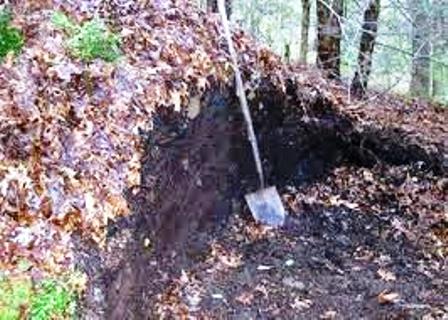
 improvement store and make composting easy and neat.
 As urban sprawl continues more and more people are coming into contact with snakes. People living in rural areas are not normally that concerned as they have encounter a variety of snake over their lifetime their lifetime so not normally a concern. Some snakes are poisonous and can be fatal so it is no surprise to see people living in fear and are susceptible to snake oil salesman (couldn’t help the pun) selling pseudo-science. Many companies have grown around this phobia to offer sophisticated solutions to repel snakes from their premises or surrounding. Solar snake repellers don’t have a great reputation as honest/scientific tools as determined from experts in the field as can be seen at
  Eliminate as many hidden or covered places as possible.
 We live in a technologically advanced world where we have a number of machines to do our household chores. When you need food, you can easily cook it in a microwave oven; when you need clean clothes, a washing machine can do the deed and when you need entertainment, television, laptops and smartphones can assist you. But have you ever wondered that these little things that save your time and keep you happy may be having some side effects.
 How often have you brought fruits or vegetables that looked great but turned out to be floury? Well, outer appearance might not always offer a great way to determine the quality. Many wholesale agricultural buyers are often plagued with the same challenge of determining fruit and vegetable quality objectively. The challenge for farmers is to figure out the optimum time to pick fruits and vegetables to deliver maximum taste and nutritional value. The
  If you have ever enjoyed the shade of a tree or have admired a beauty of a flower or have eaten berries, you have benefited from the hidden world of mycorrhizal fungi. More than 95 percent of the world’s plants have some form of dependency on mycorrhizal fungi. This relationship occurred over 450 million years ago and will stay with us for many years to come. When mycorrhizae fungi colonize the plant root system, they form a network that enhances the capabilities of plant to absorb more water and nutrients like phosphorus, copper and zinc. This enhances the growth and favours rapid development of roots and vegetative growth.
 There are numerous reasons why cover crops are helping farmers all around the world to achieve better yields and fight weeds without any adverse impact on our ecosystem but we will cover the 10 most common. Farmers are not just chasing direct yield increases but also increases in soil fertility and improve soil structure besides reducing off farm environmental effects. They also promote biodiversity and the agro-ecosystem. If you have not considered using cover crops on your farm we have 10 reasons that may change your mind.
 Beside classical fertilisers (N, P, K), plants need other micro elements such as Mn, Mg, Na, Ca, Mg, Co etc. to promote development and to develop resistance against stress factors such as drought, disease and pest. Many agricultural scientists claim that plant roots do not benefit substantially from classical method of fertilizer application since it is applied on the surface of the soil. This is the reason in the last decade there has been a rapid growth in the use of foliar fertilisers containing macro-elements and micro-elements. But are they really effective?
